
For many neurodivergent adults, young people and parents, getting to therapy can become one more demanding task in an already overloaded week. Travel, waiting rooms, sensory demands, childcare, work and the need to switch rapidly between environments can all add friction before the therapeutic work even begins.
Online therapy removes some of those barriers, but convenience alone is not enough. A good remote therapy pathway should still begin with a clear understanding of the person, the goals of therapy, privacy, risk and whether video-based work can meet the need safely.
What “online therapy” actually means
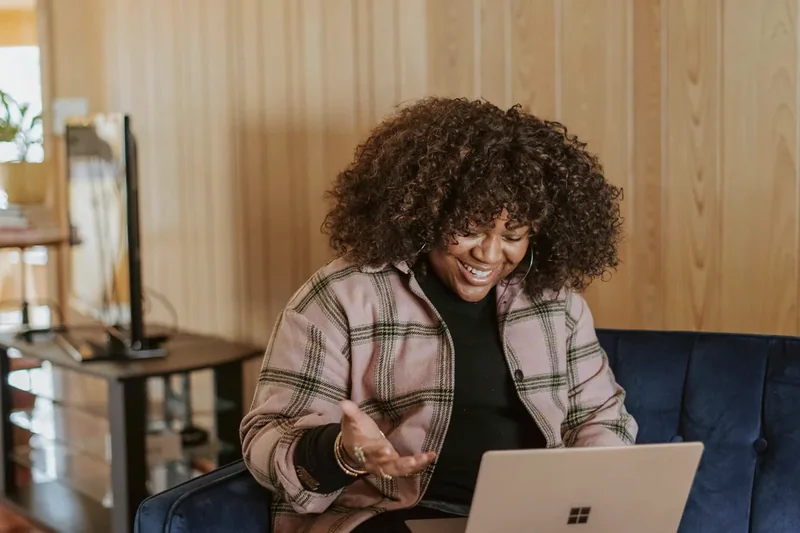
At Focused Care Psychology, online therapy means a live one-to-one psychological session delivered remotely, normally by secure video. It is not an automated programme and it is not simply a series of worksheets sent by email.
NHS England recognises digital delivery, including video consultations, as an established way of providing talking therapies. That does not mean every form of therapy or every client is suited to remote work, but it does mean that video-based psychological care is now a familiar part of UK mental-health delivery.
How neurodevelopmental therapy differs from generic advice
Someone with ADHD may already know that they “need to be more organised”. Someone who is autistic may already have been told to “communicate more clearly” or “be more flexible”. Repeating those instructions rarely explains why a pattern is difficult or what makes change realistic.
Neurodevelopmental therapy works from the assumption that attention, executive functioning, sensory processing, social communication, emotional regulation and energy demands can shape how a person experiences ordinary life. Therapy can then focus on the specific interaction between the person and their environment rather than treating every difficulty as a lack of motivation.
Work may include emotional regulation, procrastination and activation, rejection sensitivity, anxiety, burnout, masking, relationships, parenting, sensory needs, routines and the period after diagnosis when a person is trying to reinterpret years of experience.
Who may find online therapy particularly useful?
Remote sessions can be useful for people who live far from specialist services, have difficulty travelling regularly, work irregular hours, are balancing caring responsibilities or simply function better from a familiar environment.
They can also reduce geographical barriers. A client in London, Manchester, Birmingham, Leeds, Liverpool, Bristol, Newcastle, Glasgow, Edinburgh, Cardiff, Swansea, Belfast or a rural area can access the same private online service, provided the clinical work is appropriate for remote delivery.
The same principle applies to parents. Parent-focused sessions can often be completed without the child present, allowing adults to think through routines, communication patterns, escalation cycles and practical supports without asking the young person to attend every conversation.
When online therapy may not be the best format
Remote delivery is not automatically appropriate. Privacy may be difficult in a shared home. A young person may not be able to engage meaningfully on video. Someone may be experiencing a level of risk or instability that requires a different level of care or access to local services.
The format can also be wrong when the goals depend heavily on direct observation, environmental work or a type of intervention that is better delivered in person. A responsible provider should be willing to say that rather than presenting online therapy as universally suitable.
What you need for a useful online session
- A private space where you can speak freely.
- A stable internet connection and a device that supports video and audio.
- Enough time before and after the appointment to avoid joining in a rush.
- A plan for interruptions if you are at home with family or children.
- An understanding of what you want the session to help with, even if that goal is still broad.
For some neurodivergent clients, small adjustments matter. Using headphones, reducing background light, turning off self-view or agreeing how breaks will work can make the session easier to sustain.
Online therapy after ADHD or autism diagnosis
Assessment often produces a large amount of information in a short time. A report may describe patterns that make sense intellectually while leaving the person unsure what to do differently on Monday morning.
Therapy can help translate the formulation into daily life. That might mean experimenting with external structure for executive functioning, reconsidering expectations that repeatedly cause overload, discussing disclosure at work, understanding conflict within relationships or finding a less punitive way to think about past difficulties.
A diagnosis is therefore not necessarily the end of the process. For some people it is the point at which more tailored psychological work becomes possible.
Online therapy across England, Scotland, Wales and Northern Ireland
Focused Care Psychology offers specialised neurodevelopmental therapy across the United Kingdom where clinically appropriate. This includes clients in major cities and surrounding areas throughout England, Scotland, Wales and Northern Ireland, without suggesting that the practice has physical offices in each location.
The practice address is Hanover Square, London W1S 1HN, with appointments by prior arrangement. Most remote therapy does not require travel to London.
How much does online therapy cost?
The standard one-to-one neurodevelopmental therapy fee is £110 per session. A free 15 minute consultation is available if you want to clarify suitability before booking ongoing work.
Common questions
Do I need a diagnosis before starting?
Not always. Therapy can focus on identified needs where the work is within scope. If the main question is diagnostic rather than therapeutic, an assessment pathway may be more appropriate.
Can online therapy help with ADHD medication?
Psychologists do not prescribe medication. Therapy can address psychological and practical aspects of ADHD, while medication decisions are made separately by an appropriately qualified prescriber.
Can I attend from anywhere in the UK?
Yes, where remote work is clinically appropriate and you can access a private, suitable environment. The service is available across England, Scotland, Wales and Northern Ireland.
Primary public source
This article is general information and does not replace personalised clinical or emergency advice.